
Finding Xenia Residents Carefully
Xenia is the Greene County seat, so the offices that matter sit close together. Each guards different shelves. An address, a parcel number, or an owner name all point to the same first stop. That stop is the Greene County Auditor property search. A result there ties a parcel to its owner of record. It also shows the property address, transfer context, and the legal description. It still cannot prove who occupies the house. A court docket, a voter confirmation, or a historical city directory may answer a name question better.
Keep the question narrow. "Who owned this parcel?" differs from "Who was listed here in 1915?" Neither one proves a current household. Note the record date, the custodian, and the exact field behind your conclusion. That habit keeps a mailing address apart from a situs address. It separates an owner from an occupant. It also tells a same-name match apart from a real trail. It is the difference between guessing and knowing in a Xenia residents directory search.
- Use the Auditor search for the parcel, owner, or address already known.
- Check the Recorder index for a dated deed or other recorded instrument.
- Use the Ohio voter lookup only for lawful individual registration confirmation.
- Compare a court or Probate file when the question concerns a case, estate, or marriage record.
- Move to the Greene County Room, Archives, or a focused records request when the online route stops.
Xenia Resident Record Custodians
No single database holds the principal Xenia residents directory sources. The Recorder supports title-chain work. The Auditor ties a property address to the county tax roll. The Board of Elections keeps registration records under Ohio confidentiality law, while the courts and the Probate Court hold docket and case material of their own. Each office also offers a counter, a phone line, or a request route when a result is incomplete or older than the online coverage goes.
Greene County Recorder
69 Greene St., third floor
Xenia, OH 45385
937-562-5270
Greene County Board of Elections
551 Ledbetter Rd.
Xenia, OH 45385
937-562-6170
Note: Office portals are useful starting points, but a dated counter record or focused request may be needed for older or restricted material.
Xenia Parcel Search Fields
The Auditor's combined search box takes a parcel number, an owner name, or an address. Use the detailed address form instead when a street name repeats across the county. These fields come straight from the public interface. Search one property at a time. Keep the parcel number and legal description handy for Recorder or map work afterward.
| Auditor field | Use in a Xenia search | Format or limit |
|---|---|---|
| Parcel, owner, or address | Combined first search | One public entry box |
| Street Number and Street | Narrows a physical address | Number plus street name |
| Direction and Suffix | Separates similar street names | Dropdown controls |
| Unit Designator and Unit | Narrows a listed unit | Optional form fields |
| City, State ZipCode | Sets address locality | Not a ZIP-wide people filter |
| Property Type | Limits real estate or manufactured home | Checkboxes |
Electronic parcel data can change. The Auditor tells users to rely on the original recorded document for any legal transaction. That is why a property card should lead to a Recorder check, not end a Xenia resident search.
Xenia Ownership Trail Records
The Recorder's Document Search is the county's route into recorded instruments. The county says its general web index begins in 1984. Search it by name or instrument number. Book and page, parcel ID, and the historic-index modes also work. A current acquisition deed links a grantee to a prior grantor. The legal description holds the chain together when a street address changes.
Web images are informational and carry a watermark. The Recorder FAQ lists office, phone, and delivery routes for an official copy. Self-service office copies run ten cents per page. Staff-made or phone-order copies cost two dollars per page plus delivery charges. For a chain older than the published index, ask the Recorder or Archives which books, images, or microfilm exist. An empty web result is never the end of the line.
For a full street or an address-by-address chain, see the Xenia street records route. The Recorder document-search landing page is the county's official entry into recorded instruments.
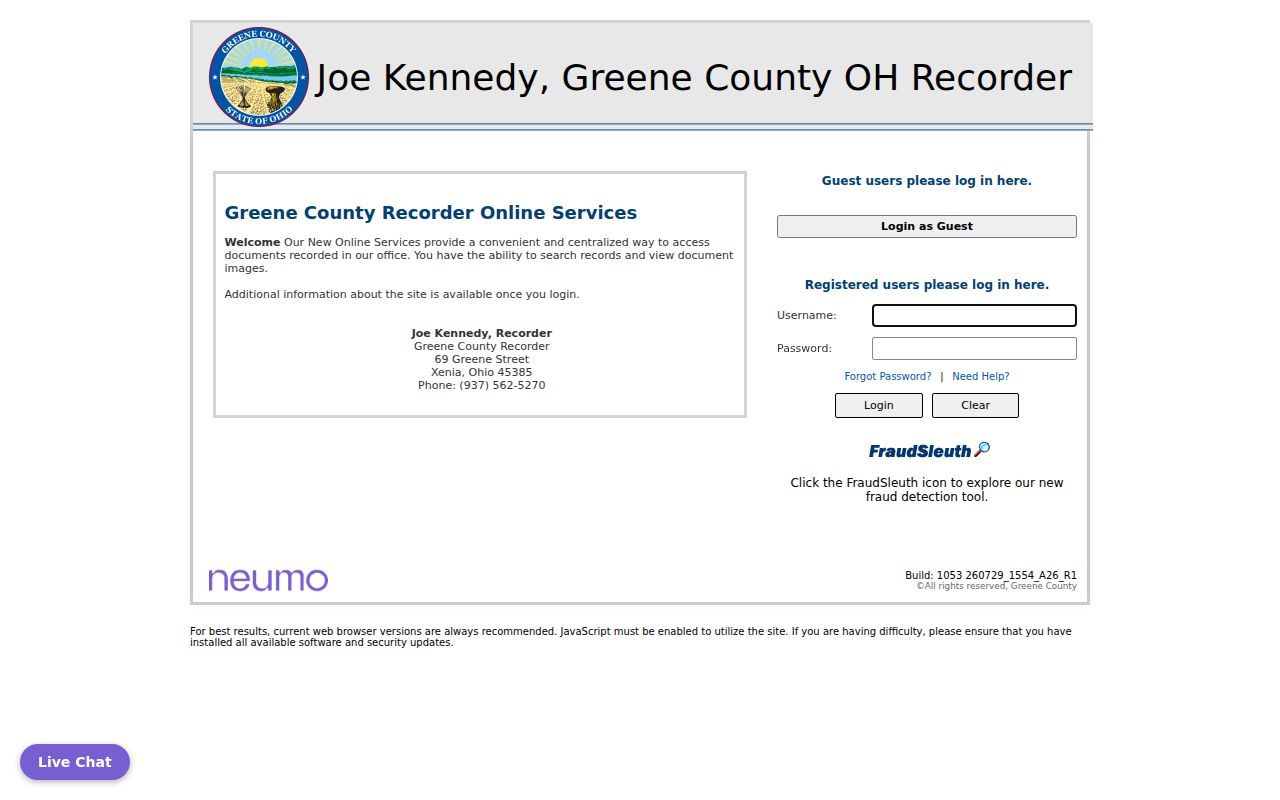
The index is a dated instrument trail, not a current household list.
Xenia Resident Directory Sources Today
Current records define a connection to Xenia differently. A property roll records ownership and parcel facts. A voter inquiry checks registration information within the limits of Ohio law, while a Recorder result shows a party to a filing. Court and Probate results are event or case records. Keeping those roles separate makes the residents directory more useful and cuts down on same-name errors.
| Xenia source | What it can confirm | Custodian | Access route |
|---|---|---|---|
| Auditor parcel record | Owner of record, property and legal description | Greene County Auditor | Free property search or counter |
| Recorder instrument | Grantor or grantee role and recording date | Greene County Recorder | 1984-forward web index, counter for older work |
| Voter information | Individual registration and polling context | Ohio SOS / County BOE | Individual lookup or lawful request |
| CourtView docket | Party role and dated docket information | Greene County Clerk | Portal or clerk route |
| Local history collections | Dated directory, newspaper, or yearbook listing | Greene County Room | Library and digital collections |
The one-person Xenia resident lookup shows how to corroborate a specific name without treating a property or case result as proof of residence.
Xenia Court and Probate Checks
Greene County CourtView takes a name or a case number, never both at once. It reports daily updates but skips weekends and legal holidays. Pre-1982 records stay offline. Specified protection-order matters are omitted. A docket can still separate same-name people by case number, role, date, and jurisdiction. Treat it as one record, not a full personal profile.
Probate Court is the direct route for estates, guardianships, and name changes. Trusts, land-sale proceedings, and marriage material live there too. Its counter and request channels matter because confidential proceedings are excluded. A CourtView no-result can mean a date limit or sealing. It can also mean a different court or a protected record. When a defined public file is not online, ask the Clerk. The court can point to the right archive or copy route.
CourtView's public docket entry page is the county route for Common Pleas docket information.
Test a name match with party, date, and case context, then corroborate it against an independent official record.
Xenia Voter Record Boundaries
Ohio keeps voter detail behind a single statewide entry point, the Find My Information service. The lookup is built for one person at a time. You supply a first name, a last name, and a county. Any Xenia voter search must be filed under Greene County. Under ORC 3503.153, the record you get back can show registration status, a precinct, participation context, and related fields. It never shows ballot choices. It is not a block-wide resident roll. Treating it as one misreads the tool entirely.
Two guardrails shape what the public site will not do. ORC 3503.13 and Ohio's Safe at Home program protect certain voters and their addresses. That protection cannot be worked around with a property map or a clever records request. The Greene County Board of Elections handles local records requests. It publishes its policy on paper-copy and precinct-map charges. That is the right office for a correction, a policy question, or one narrow lawful request. It is not the place to attempt mapping a whole neighborhood.
Xenia Directory Terms Defined
Xenia records come with a handful of overlapping terms. Telling them apart keeps an ordinary address search honest. Otherwise a directory listing can quietly turn into an unsupported claim about a household or a person.
- Parcel
- A county-tracked unit of land that links a property address to assessment and legal-description data.
- Situs address
- The physical location of land, which can differ from the owner’s tax mailing address.
- Index
- A finding tool that points to a record; it is not always the official image or full file.
- Criss-cross directory
- An address-to-name directory section, if the historical volume includes one.
The distinctions matter in Xenia. Old plats, shifting address systems, and deep historic collections often reach past a modern street label. A name that fits one era may belong to a different parcel or block in another.
Xenia Historical Directory Shelf
When the online trail goes cold, the Greene County Room at Xenia Community Library is the place to turn. Its shelf of older reference works reaches back a long way. The library reports city directories dating to 1870. It also holds newspaper microfilm dating to 1814. Yearbooks, cemetery inscriptions, and local-history books sit alongside them. Digital collections there include Greene County birth and death records for 1869 through 1909. A Xenia residents directory from any of these decades offers dated context. It is not proof of where someone lives now.
Local directory milestones over the years include Edmondson’s 1875–1876 volume. There is also an 1881 Xenia and Greene County directory, and a 1915 directory image. The library publishes no complete title-by-title run online. Ask staff for the exact title, publisher, and year. Ask too whether a volume includes an address section before counting on it to cover a given household.
Greene County Online Services rounds out the shelf with the county’s linked portal routes.
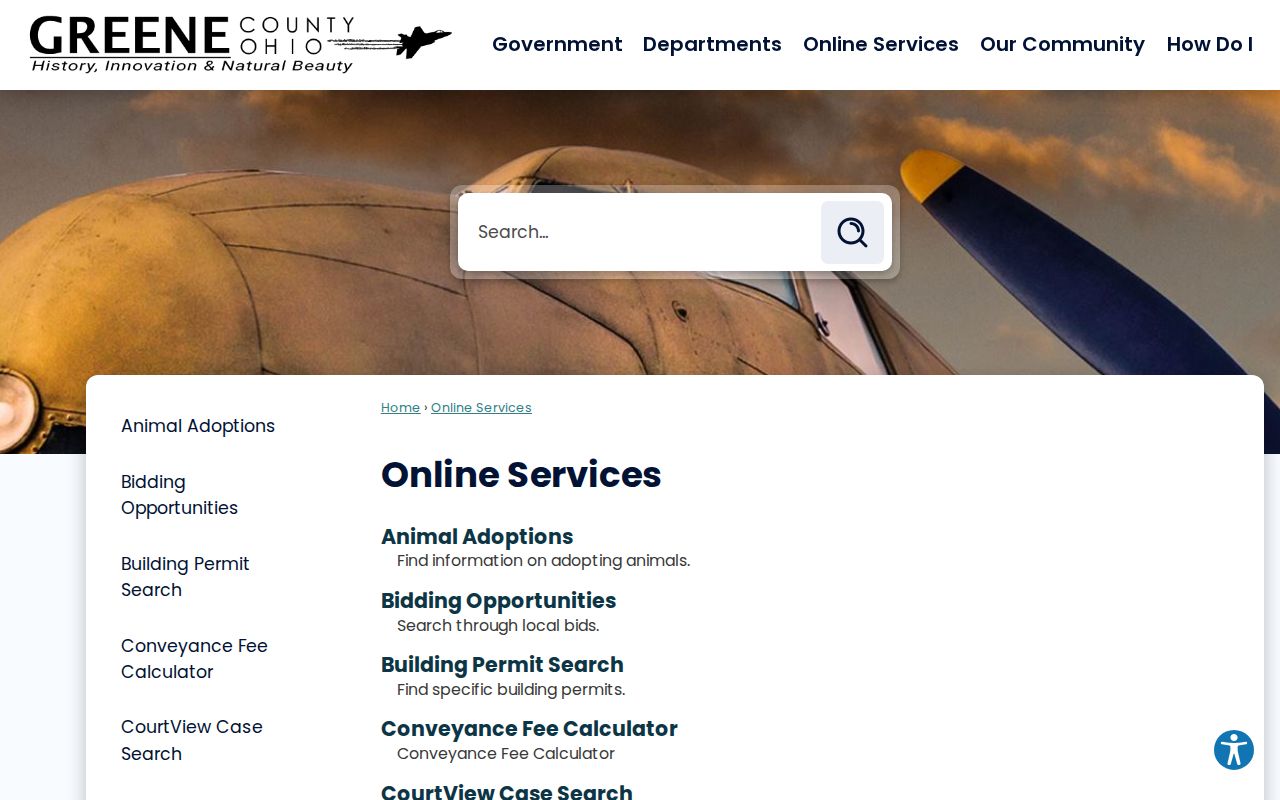
Library and county services work as a pair. One supplies historical context for old Xenia households. The other supplies current official record routes, from parcels to recorded instruments.
Xenia Records When Portals End
Ohio's Public Records Act, ORC 149.43, opens the door to existing non-exempt government records. It does not obligate an office to build a custom resident report. Sealed files, adoption records, voter protections, protection orders, and address-confidentiality rules all stay in force. A strong request names a custodian and one identifiable record. An instrument number, a date range, a parcel, a case number, or a defined file type all work.
Greene County's NextRequest portal is one online channel. The Recorder also accepts email, mail, fax, drop-off, and in-person requests. Ask plainly for inspection or a copy in a stated medium. Invite the office to cite the legal basis for anything withheld or redacted. Ohio demands prompt inspection during regular business hours. Copies are due within a reasonable period, not a fixed response day.
Note: A no-result can reflect an older collection, a different custodian, an archive-only item, a sealed record, or an inaccurate search term.
Xenia Address and Map Context
A property trail gains real footing with Greene County GIS Mapping. The map handles parcel orientation and public layers. The Auditor supplies the tax-roll record. The Recorder supplies the recorded instrument. The GIS department describes its data work as supporting appraisal, voting, planning, 9-1-1, and code compliance. It is a map and data source. It is not a complete list of everyone on a block.
For a Xenia address, lay the visible parcel beside the Auditor's owner field and legal description before chasing a deed. A tax mailing address can sit outside Xenia. That alone does not prove a named person lives elsewhere. The same caution fits a historic directory address. The sound conclusion is often small: an owner was recorded on a parcel, or a person was listed in a given year. Resist stretching it further.
Ohio DRC Offender Search is an official state-custody locator. It is not a Greene County jail record, a court file, or a current street address result.
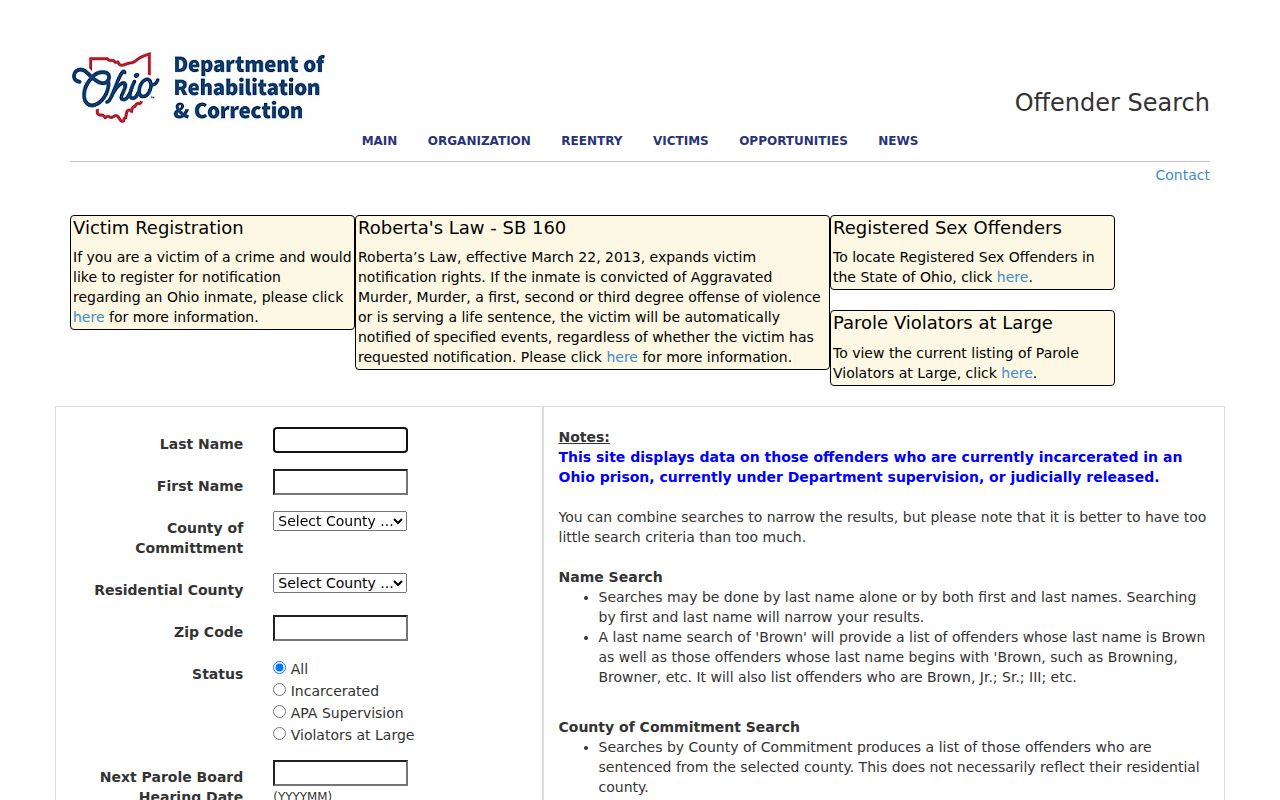
A state locator answers a custody question. A parcel, court, or historical directory search answers a Xenia records question instead.
Xenia Property Alert Comparison
Official county records and commercial people-finding sites do different jobs. A custodian's parcel, deed, or court record names a defined public record and a date. A commercial compilation can go stale. It may merge strangers who share a name. It never replaces the official correction route. So when a listing is wrong, go to the Auditor, Recorder, Board of Elections, court, or health custodian that keeps the underlying record.
| Need | Better Xenia route |
|---|---|
| Monitor a recorded filing | Greene County’s free Property Alert by name, keyword, or document |
| Verify an owner of record | Auditor property record followed by Recorder instrument |
| Check a dated historical household | Greene County Room directories, newspapers, maps, and Archives |
Greene County Property Alert sends an email when a monitored name or entity surfaces in a real-property filing. Detection is not guaranteed. The service is a watch, not a locator.
Ohio eLicense Verify settles credential questions. It does not determine anyone's current address.
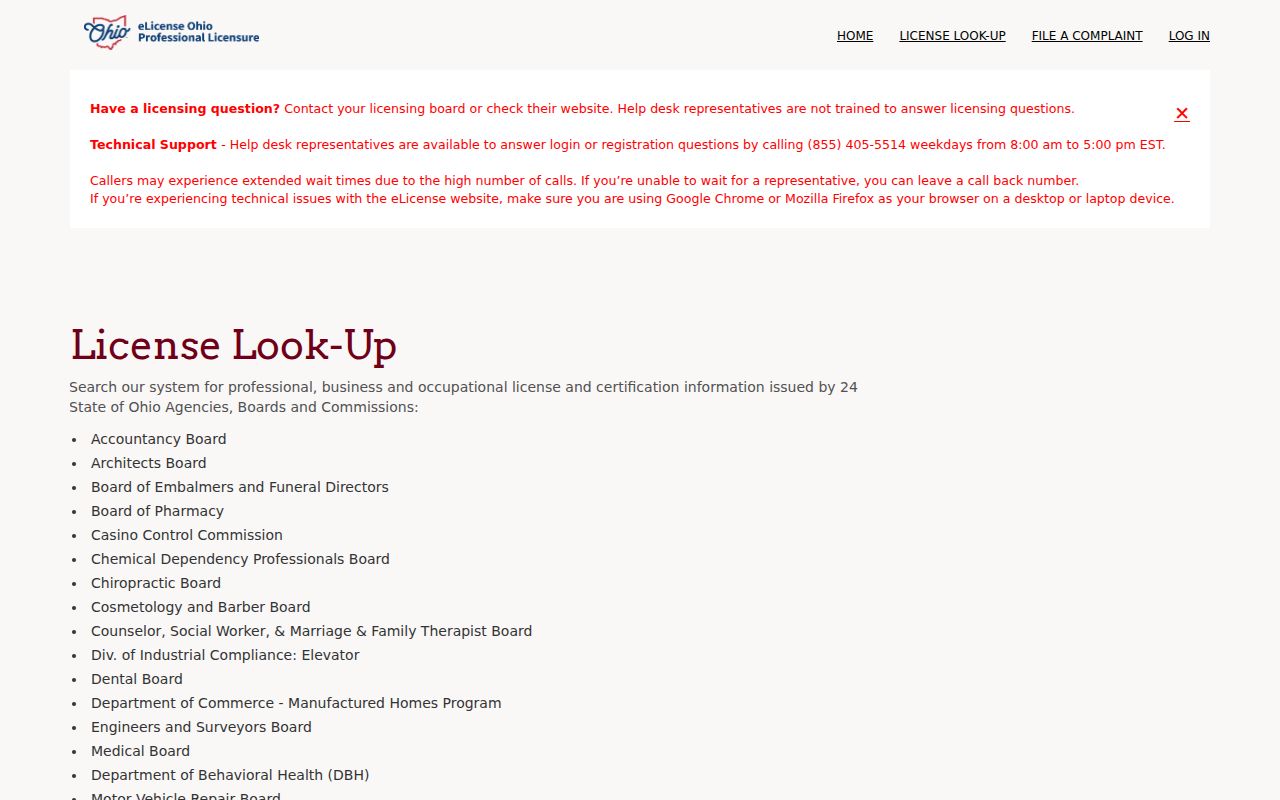
Official licensing detail identifies status and board context rather than a complete resident profile.
Xenia Archive and Directory Continuity
Older records often outlive the portals built for them. Greene County Archives, at 535 Ledbetter Road, is the fallback for Xenia's earliest material. Its holdings cover maps, original volumes, microfilm, and catalog items, and staff field reference requests. The archive's local era guide lists marriages from 1803 through 2013. It also points to wills and estates before 2018. It covers transcribed deeds spanning 1804 to 1864 as well. When a Recorder or court portal comes up empty on an old record, the archives is usually where the trail resumes.
Follow the record, not the building. Xenia learned that lesson the hard way. Permanent county materials sat scattered across several locations before the archives program began in 1996. The 1974 tornado then redrew many local landmarks. Library, archive, and university collections now preserve that history. No evidence says routine courthouse records vanished outright. Each title, map, and volume deserves a check with its actual keeper.
Ohio Revised Code 149.43 supplies the statutory basis for public-record access in Ohio.
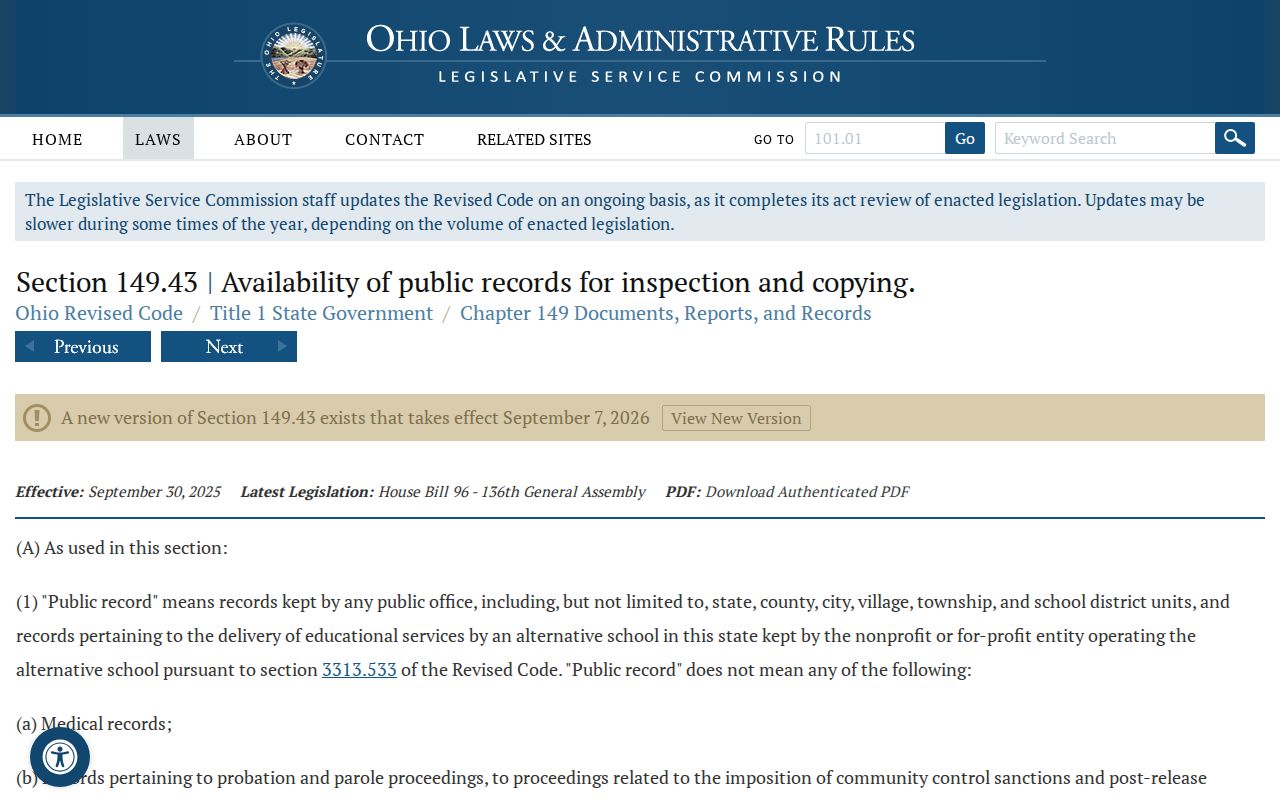
Custodians and archives supply the path to each record.
Xenia Residents Directory History
Xenia's first confirmed city directory appeared in 1870. Before that year, household research leans on other sources. Newspapers, maps, deeds, probate files, and later census releases fill the gap, though none of them substitutes for a true city-directory listing. The Greene County Room offers a physical collection, staff help, and digital collections as the local starting point.
House history rewards layering. Pair a dated directory entry with its deed chain, then add a map from the same era. An obituary or probate record can close the chain. This method guards against a common local mistake: treating a historical address as a modern fact. A directory establishes a listing in a named year. The Recorder establishes a recorded land transaction, and the Auditor adds the later tax-roll entry. Read together, these layers tell a careful story of a Xenia address. The records only claim what they show.